
Moss in Toronto is rare
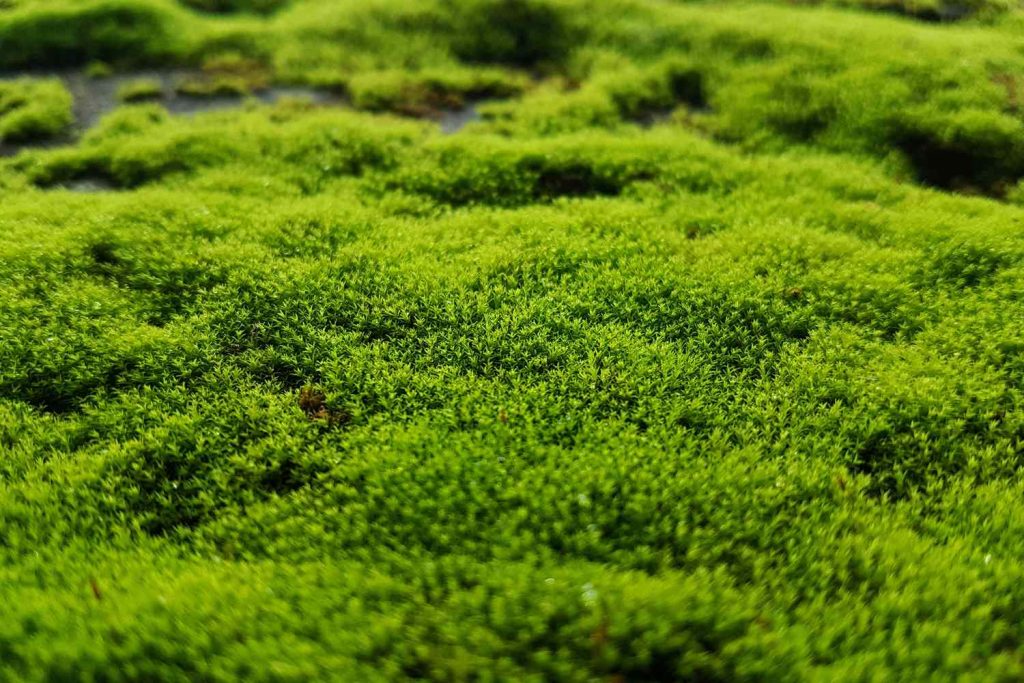
Despite its ubiquitous presence in many ecosystems worldwide, moss is relatively rare in the urban environment of Toronto, especially considering that Toronto itself is not located at a particularly high latitude. Compared to typical high-arctic cities like Whitehorse and Yellowknife, Toronto has a mild and dry climate, making it suitable for large populations to reside in.
While pockets of moss may be found in secluded parks, forested areas, or alongside water bodies, their occurrence is sporadic and often overlooked amidst the urban hustle and bustle. Unlike most backyards covered by grass or weeds, mine was bare, leaving it vulnerable to moss growth, which posed a big problem for me.
Moist soil creates moss
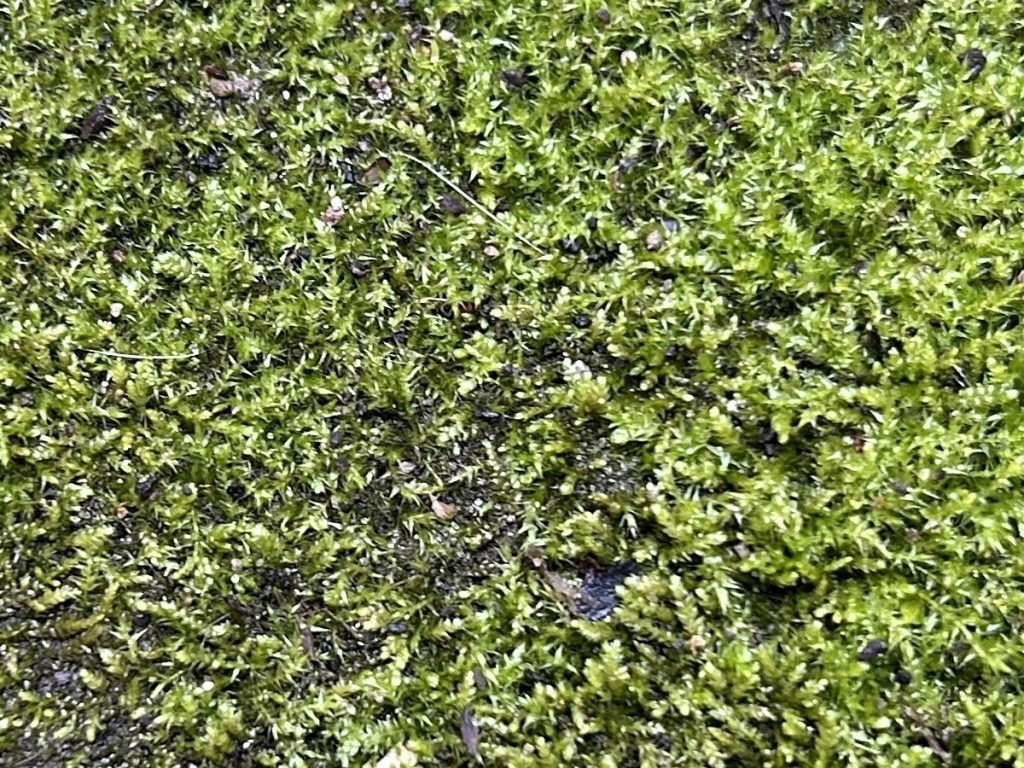
Moss thrives in damp environments, and you won’t find them in tropical or arid regions. Due to planting activities over the past decade, the permeability of the soil in my backyard has been severely compromised.
As the winter snow melts, it fails to seep into the groundwater smoothly, leaving the soil surface moist and sticky. This provides the perfect conditions for moss to spread across the entire land surface. They absorb not only water but also nutrients from the earth, contributing to a sense of desolation and barrenness in their appearance. I have to get rid of them effectively and completely.
Ways to remove moss
The most effective method is to improve the soil’s permeability, preventing rain and snow from lingering on the surface. However, this method is only theoretically meaningful. I have trodden on this land for over ten years, and except for the seven ridges where plants grow, all the soil has become solid and hard. It is impossible to restore the previous loose and porous state. I once attempted to use a straw fork to poke holes in the ground, but it proved to be laborious and made the land look very unsightly.
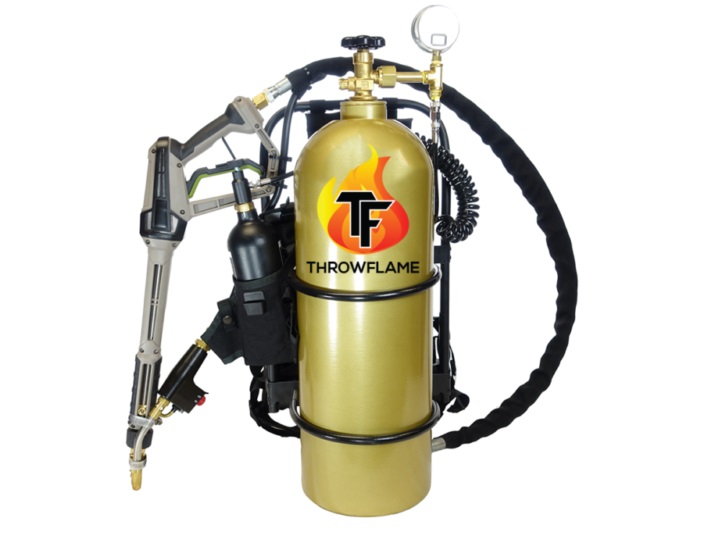
One option is to use a flamethrower or a weed burner. I haven’t tried this method because its potential dangers outweigh the task of removing moss itself. Imagining the numerous possible consequences of using open flames in a city filled with wooden structures is a topic I prefer not to entertain.
The next option to consider is applying vinegar, as it can disrupt the moss’s molecular structure, thereby promoting its withering and death. Although this method sounds both environmentally friendly and effective, I am still very unwilling to adopt it. The moist soil itself is slightly acidic, so I prefer to use alkaline wood ash rather than introduce acidic substances into the soil. But the wood ash as a moss killer is not that powerful.
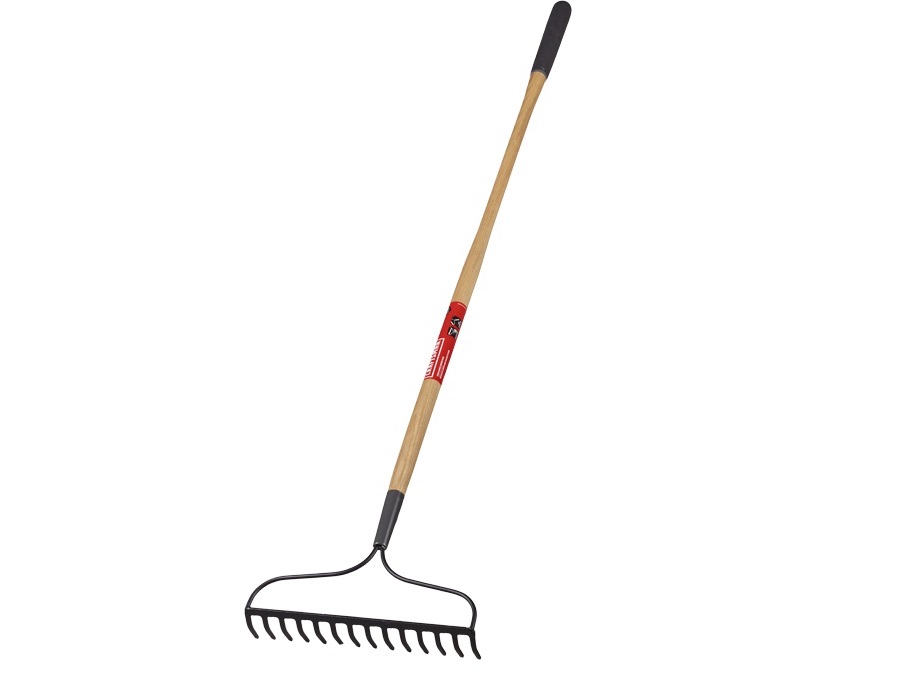
Physical removal might be the last easy and brutal solution. This14-tine bow rake can tear the soil surface into many small fragments, thus separating the moss from the soil.
Don’t mistake these detached fragments for dead bodies of moss. In fact, they are all still alive and healthy. Mosses don’t have true roots or root systems in the conventional sense; instead, they anchor themselves to substrates using structures called rhizoids and absorb water and nutrients.
If you don’t collect and handle them properly, leaving these fragments scatter on the ground is equivalent to not doing any removal work at all. It won’t take long for them to return to the soil and continue their happy parasitic life.
Final solution
In the end, I manually removed them with a small spade, peeling them off from the surface inch by inch. I dug several deep trenches to bury these mosses along with the attached soil, hoping that they would break down into beneficial fertilizer for plants in about a month. Let’s see what happens this summer.